• Art & Culture
    • Unesco Sites

Siti palafitticoli preistorici delle Alpi

Il complesso dei siti palafitticoli preistorici è  formato da ben 111 siti archeologici a ridosso delle Alpi (oggi divisi tra Svizzera, Austria, Francia, Germania, Italia e Slovenia) dove si possono osservare i resti di insediamenti preistorici databili tra il 5.000 e il 500 a.C. che l’Unesco ha riconosciuto Patrimonio dell’Umanità nel 2011.
Diciannove di questi siti archeologici si trovano in Italia, alcuni dei quali in Lombardia, tra le province di Brescia, Varese, Mantova e Cremona.

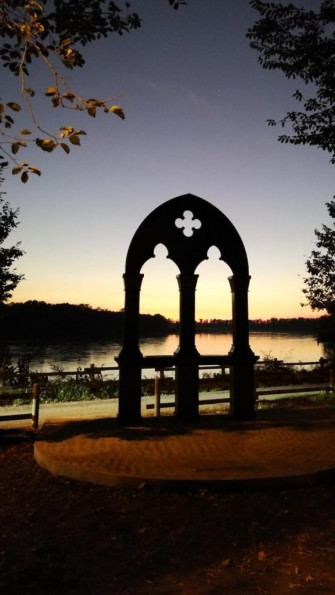
Si tratta di una serie di villaggi preistorici in alcuni casi eccezionalmente conservati costruiti a ridosso di fiumi, laghi o zone umide. Le palafitte, organizzate in gruppi o veri e propri villaggi, erano capanne sostenute da pali immersi nell’acqua di un fiume, di un lago o di uno stagno. Una tecnica costruttiva che consentiva al tempo stesso di restare vicino alle fonti d’acqua e cibo, oltre che di proteggersi da nemici e animali selvatici.

Lo studio di questi resti, unito a sofisticate indagini e ricerche archeologiche “consentono una comprensione unica del modo in cui queste società hanno interagito con l'ambiente, in risposta alle nuove tecnologie e anche all'impatto del cambiamento climatico”, scrive Unesco. In corrispondenza dei siti palafitticoli, infatti, sono stati recuperati numerosi reperti, spesso in ottimo stato di conservazione: pettini in osso e ambra, aghi e utensili per la tessitura, zappe, aratri, statuette votive oltre che armi e oggetti per la caccia. Materiale che ha permesso di elaborare una dettagliata ricostruzione del mondo delle prime società agricole d’Europa, fornendo una serie di informazioni precise sull’agricoltura, la zootecnia e lo sviluppo della metallurgia per un periodo di oltre quattromila anni durante il Neolitico e l’Età del Bronzo.
On the same topic

Interactive map of the Roman Cremona

  • Art & Culture
Interactive map of the Roman Cremona

Roman paved road

  • Art & Culture
Roman paved road

Cremona for schools

For each order and degree
  • Art & Culture
Cremona for schools

The musical instruments

In Cremona, Crema, Casalmaggiore churches
  • Art & Culture
The musical instruments

Cremona and its music

Cremona's music is closer than what you think
  • Art & Culture
Cremona and its music

Welcome to Cremona!

Cremona is for everyone
  • Art & Culture
Welcome to Cremona!

New opening: the Diocesan Museum!

  • Art & Culture
New opening: the Diocesan Museum!

Theaters Cremona

Cremona stands out not only for its monumental beauties, but also for its lively cultural activity in its theaters
  • Art & Culture
Theaters Cremona, culture in Lombardy

Soncino - the water system

Special guided tours for those who are keen to learn
  • Art & Culture
Soncino - the water system

Come to discover Cremona!

A new guide for children and families
  • Art & Culture
Come to discover Cremona!

BeMyMusic

  • Art & Culture
La didattica

THE ISLAND OF THE MONASTERIES

  • Art & Culture
THE ISLAND OF THE MONASTERIES

Monuments Cremona

Cremona: a splendid city of art with a sober elegance and many monuments, to be visited on foot or by bicycle
  • Art & Culture
Monuments Cremona, visiting Lombardy

Castles Cremona

Crossroads of trade and area of strong agricultural production, the Cremonese territory has always been guarded by castles
  • Art & Culture
@albertobr rete.comuni-italiani.it

Cremona Tourist Office

Serving the tourist!
  • Art & Culture
Cremona Tourist Office

Museums open for Easter time

Opening hours
  • Art & Culture
Museums open for Easter time

Coffee with a view

Among the twenty most beautiful squares in Italy
  • Art & Culture
Coffee with a view

The sound of Stradivari

Live performances with the instruments of the collections of the Violin’s Museum.
  • Art & Culture
The sound of Stradivari

Visiting Cremona is cheap!

Entry to all the town's museums with a combined cheap ticket
  • Art & Culture
Visiting Cremona is cheap!

New opening hours for the Violin's Museum

  • Art & Culture
New opening hours for the Violin's Museum